
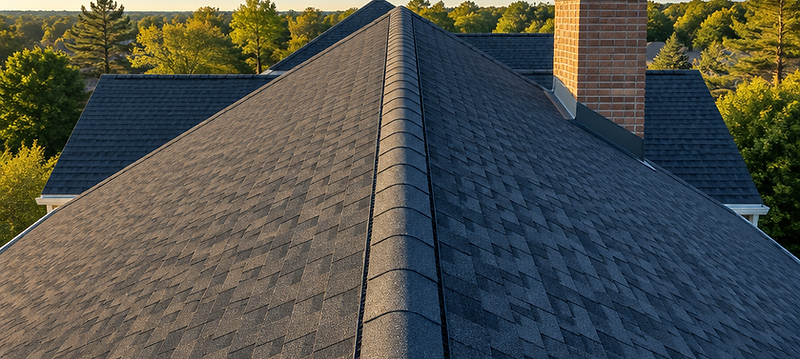
Roof Replacement
Roof Replacement in Waxhaw, NC
Learn about residential roof replacement, roofing material options, and what homeowners can expect during a typical reroofing project.
Deciding
When Is Roof Replacement Worth Considering?
Replacement is a significant decision, and it is rarely a single symptom that settles it. These are the situations homeowners most often ask about.
Roof age
Most asphalt shingle roofs reach the end of their expected service life somewhere between 15 and 25 years, depending on the material, ventilation and sun exposure. Age on its own is not a verdict, but it is the first question a roofing professional will ask.
Widespread shingle deterioration
Granule loss, curling, cracking and brittle shingles across several roof planes usually point to a roof-wide problem rather than a local one.
Repeated leaks
When a roof has been patched more than once, or leaks appear in new places after each storm, the cost and disruption of repeated repairs can outweigh their value.
Storm damage
Wind and hail can shorten a roof's life considerably. Where damage is widespread, insurance may become part of the conversation, though coverage decisions always rest with your insurer.
Structural concerns
Sagging decking, visible movement or water damage within the roof structure require professional assessment before any roofing work is planned.
Approach
Full Tear-Off vs. Roof-Over
These are the two broad approaches to replacing a residential roof. Both are used in North Carolina, and the right one depends on the roof in front of you.
Full tear-off
The existing roofing material is removed down to the roof deck, which is then inspected and repaired as needed before new roofing is installed. This allows the condition of the decking, flashing and underlayment to be evaluated directly, and is frequently required where a roof already carries two or more layers of material.
It involves more labor, more disposal, and a longer project timeline than a roof-over.
Roof-over
New roofing material is installed over the existing layer. It is quicker and often less expensive, and it creates less disruption around the property.
The trade-off is that the decking underneath cannot be inspected, the roof gets heavier, and some manufacturers' warranty terms may be affected. Local code may also limit how many layers a roof can carry.
This website does not recommend one method over the other. That determination depends on the condition of the existing roof, local code and the manufacturer's requirements, and should follow an on-site professional inspection rather than a phone estimate.
Materials
Roofing Material Options
Broadly, three families of material cover most residential roofs in this area. Each is a different balance of appearance, lifespan, maintenance and upfront cost.

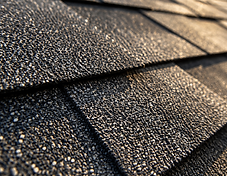
Architectural asphalt shingles
The most common choice on Carolina homes. A layered, dimensional appearance, a wide range of colors and profiles, and generally the balance between cost and durability that most homeowners settle on.

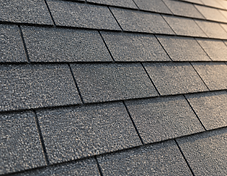
Traditional asphalt shingles
Three-tab shingles are lighter and typically less expensive, with a flatter, more uniform look. They generally have a shorter expected service life than architectural shingles.

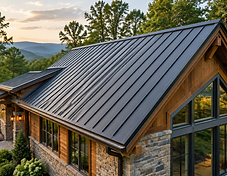
Metal roofing
Standing-seam and metal panel systems offer a very long service life and strong performance in wind and rain. They carry a higher upfront cost and depend heavily on experienced installation.
No warranty terms, prices or expected lifespans are published on this site, because those vary by product, manufacturer and installation. Ask any roofing contractor to put them in writing before you decide.
The process
What Does Roof Replacement Involve?
A typical residential reroofing project follows roughly these stages. This describes the general shape of the work, not any specific contractor's procedures, guarantees or timeline.
- 01
Roof inspection and evaluation
A qualified roofing contractor reviews the roof's condition, age, decking, ventilation and flashing, and documents what they find.
- 02
Material selection
The homeowner reviews shingle and roofing options, appearance, and the trade-offs between cost, durability and maintenance.
- 03
Written project estimate
A written estimate should describe the scope of work, materials to be used, and what is and is not included.
- 04
Removal and preparation
Where a tear-off applies, existing roofing material is removed and the deck checked and prepared before new roofing is installed.
- 05
Installation
Underlayment, flashing, roofing material, ventilation and ridge details are installed to the manufacturer's specifications.
- 06
Final inspection and cleanup
The completed work is reviewed with the homeowner and the property is cleaned of roofing debris and magnetic-swept for nails.
This describes a typical process rather than a guarantee of any specific contractor's procedures, sequencing or timeline. A written estimate should set out exactly what will be done on your roof, which materials will be used, and what is excluded.
Considering a New Roof?
Request information about a residential roofing inspection or estimate.
Serving
Waxhaw, Weddington, Marvin, Wesley Chapel, Indian Trail, Monroe and South Charlotte.
Inspection availability, scheduling and pricing are subject to confirmation by a participating roofing contractor.